
Peterhead gas power station gets green light – but campaigners warn of 30 more years of fossil fuels
SSE and Equinor's 900MW plant includes carbon capture, but its future depends on progress with the Acorn project. The Greens say ministers are expanding Scotland's biggest polluter.
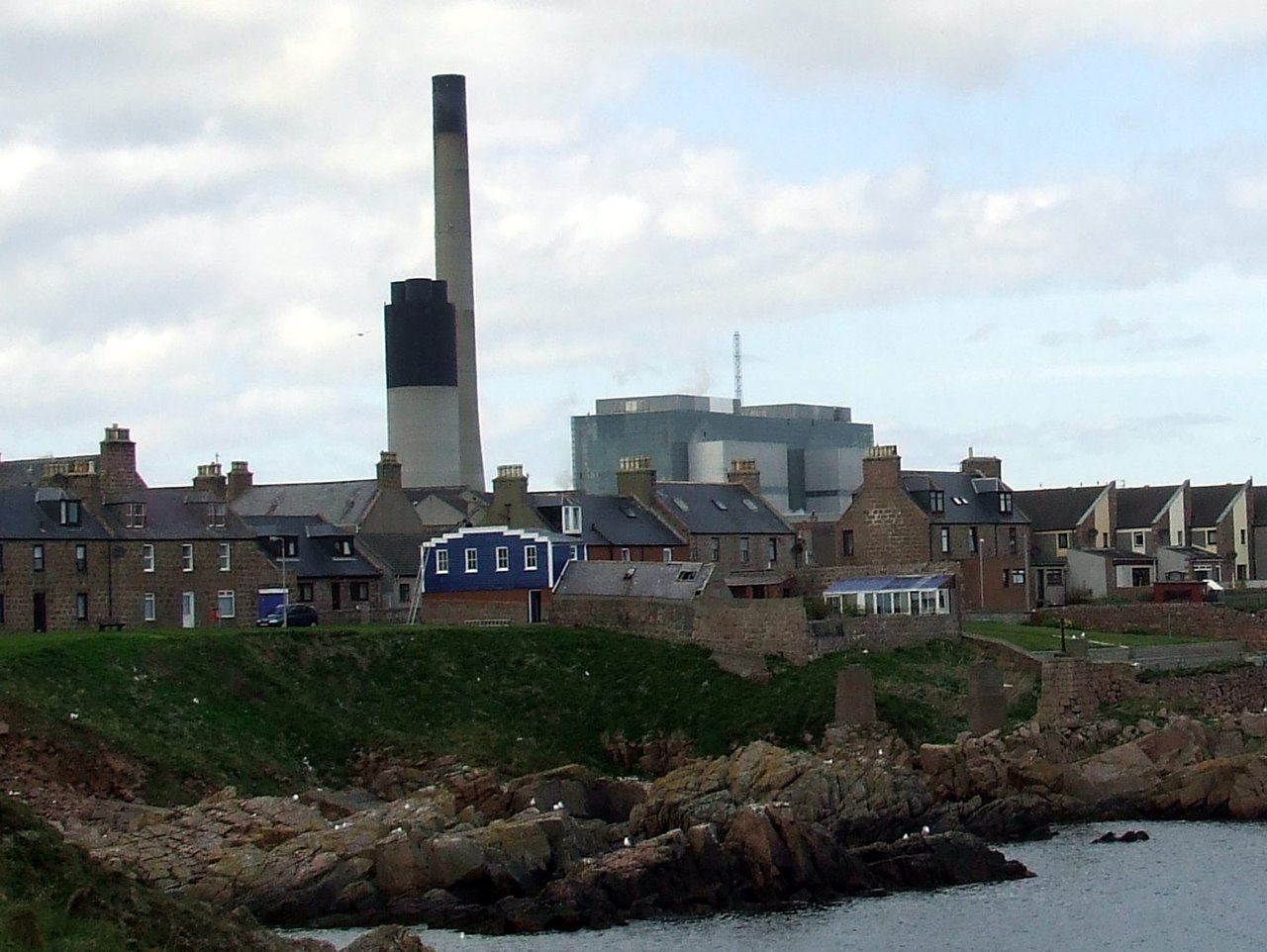
The existing Peterhead power station. File photo. · Photograph: PortHenry Jennifer Witts (CC BY-SA 3.0)
The Scottish Government has approved a new gas-fired power station at Peterhead, in a decision that has divided industry and environmental campaigners.
The plant, being developed by SSE and Equinor, would generate about 900 megawatts of electricity and includes provision for carbon capture. Supporters say the technology could cut emissions from the site by more than 90%.
But SSE says delivering the project depends on progress with the Scottish carbon capture cluster, known as the Acorn project.
Scotland's last fossil fuel plant
The existing Peterhead station has been generating electricity for more than 40 years and is now the last power station in Scotland to burn fossil fuels. SSE has previously said the new 'Peterhead 2' would replace it, but campaigners fear both could run side by side.
The decision was made on the same day MSPs debated climate change at Holyrood.
'Inconceivable'
North East Scotland Green MSP Maggie Chapman said the current plant was Scotland's largest source of climate pollution, and that rather than reducing its impact, the government had decided to expand it.
Friends of the Earth Scotland said the decision locks Scotland into dependence on fossil fuels. Campaign group Uplift said high dependency on expensive gas was driving up energy bills and called it inconceivable that ministers would lock Scotland into 30 more years of it.
'An important milestone'
Finlay McCutcheon, managing director of SSE Thermal, said the project could provide flexible, low-carbon electricity to back up renewables while creating and sustaining jobs in the north east.
John Underhill, director for energy transition at the University of Aberdeen, said the decision showed the government accepts gas will be vital for decades. He said it also gives the Acorn project a lifeline, providing a new source of emissions to store after Grangemouth and Mossmorran closed.
The Scottish Government said the impacts on communities, nature and heritage were important considerations, and the full reasons were set out in its decision letter.